Why CRM and ERP Customization Is Not Optional
- It’s Essential
We want to share something we’ve seen more times than we can count. A company invests in a CRM or ERP system. The implementation partner sets it up. Data is migrated. Users get logins. Leadership is told, “You’re live.” Three months later, the owner calls and says: “We have the system… but we’re still running the business in spreadsheets.” That sentence alone explains why customization is not optional.
What We Most Often See in Sales-Driven Companies
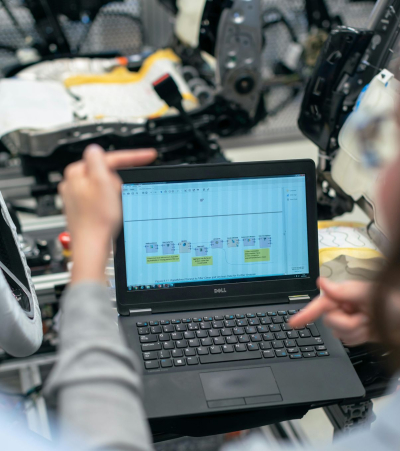
In sales-driven companies, the issue is rarely the CRM itself, especially when using a flexible platform like Zoho CRM. What we most often see is that the system has been implemented, but not adjusted to match how the team actually works. Fields don’t fully reflect the real qualification criteria. Sales reps follow an internal process that exists in conversations and emails, but not inside the CRM stages. None of this requires rebuilding the system, it simply requires thoughtful customization: refining fields, adding structured data where needed, linking records correctly, and setting up straightforward automation or blueprint flows that mirror the real sales steps. When those adjustments are made, the CRM doesn’t feel new or complex, it simply starts working the way the team already does, only faster and with cleaner data.
ERP Without Customization Carries Greater Risk
In ERP environments, we’ve seen this pattern many times, especially in systems like Zoho Books and Zoho Inventory.
What we often see is not a failure of the software, but a mismatch between how the company actually operates and how the system is configured. Approval levels may not reflect real authorization structures. Inventory movements may not mirror how goods are physically handled. Financial categories may not match internal reporting logic.
As a result, teams compensate manually, clarifying transactions outside the system, adjusting reports before review, and leadership assumes the system reflects reality more precisely than it actually does. In financial and inventory systems, even minor misalignment isn’t just inefficiency, it affects control and accuracy. In our experience, thoughtful configuration makes the difference between simply using the system and truly relying on it.
Why Businesses Resist Customization
There are usually two reasons:
- “We don’t want to overcomplicate things.”
- “The system should adapt us to best practices.”
Both sound reasonable, but both can become costly misunderstandings. Customization is not about adding complexity. It’s about removing friction.
The Hard Truth
Companies invest heavily in implementation but hesitate when it comes to customization. In reality, customization is what turns software into infrastructure. A CRM should mirror how you generate revenue. An ERP should mirror how you deliver and account for that revenue. If they don’t reflect your logic, they distort it. And distorted visibility leads to distorted decisions that shape strategy.
At NWDDI, we’ve helped organizations transform underutilized systems into fully aligned, high-performance business tools — not by adding complexity, but by designing around real-world workflows.
Because technology is supposed to create leverage and support growth as your business evolves.
Not limit it.